About Our Project
Cancer care relies heavily on multidisciplinary tumor board (MTB) meetings, where oncologists, radiologists, surgeons, and other experts collaboratively review patient data and determine the best course of treatment. However, these meetings are often constrained by time pressures, fragmented data sources, and limited access to advanced imaging tools — all of which can impede accurate and timely decision-making.
The VR-MTB project, led by the Deggendorf Institute of Technology – European Campus Rottal-Inn, addresses these challenges by developing an innovative Virtual Reality (VR) platform that transforms how tumor board meetings are conducted. Funded by the German Federal Ministry of Research, Technology, and Space (BMFTR) under grant number 16SV9434, with a project duration from February 2025 to January 2028, the project focuses on harnessing immersive technology and artificial intelligence to enhance collaboration, precision, and efficiency in oncology.
Our Vision and Objectives
The goal of VR-MTB is to create an interactive virtual environment where multidisciplinary teams can collaboratively:
- Visualize 3D medical imaging and patient data in real-time
- Access and integrate clinical, laboratory, and imaging information seamlessly
- Transcribe, document, and structure discussions using AI-powered tools (Artificial Intelligence)
- Interface with hospital information systems (HIS) and support interoperability
- Test and validate the platform in real-world healthcare settings
This VR-powered solution empowers oncology professionals to make more informed, patient-centered decisions while overcoming the physical and technical limitations of conventional tumor board setups.
Innovation and Impact
By combining advanced visualization, secure data integration, and intelligent documentation tools, the VR-MTB platform is poised to:
- Improve diagnostic accuracy and therapeutic planning
- Streamline workflows and reduce administrative burden
- Enhance the inclusivity and flexibility of tumor board participation
- Set the foundation for a scalable solution applicable to cancer care worldwide
Following successful clinical testing, the platform aims to become a model for next-generation tumor board collaboration — particularly valuable in complex, resource-limited, or geographically distributed healthcare environments.
Our Partners


Research Team
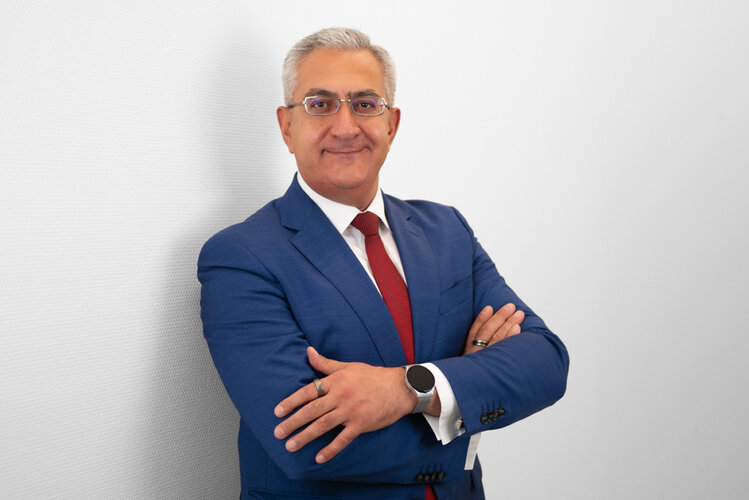

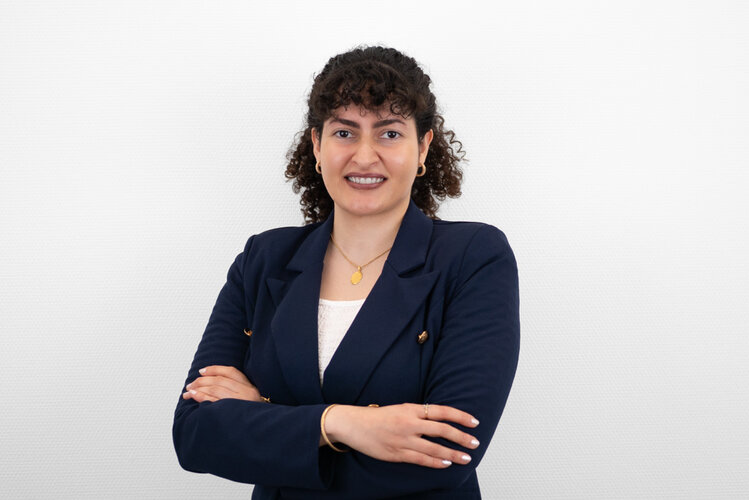
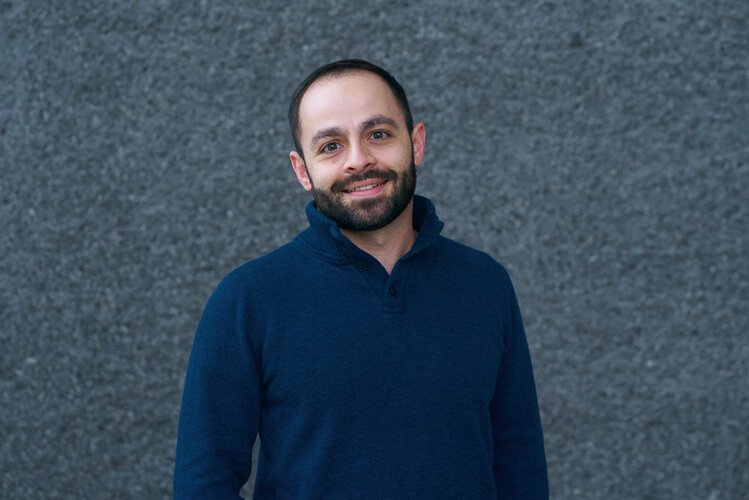

- Project Coordinator: Prof. Dr. Georgi Chaltikyan, PhD, MD
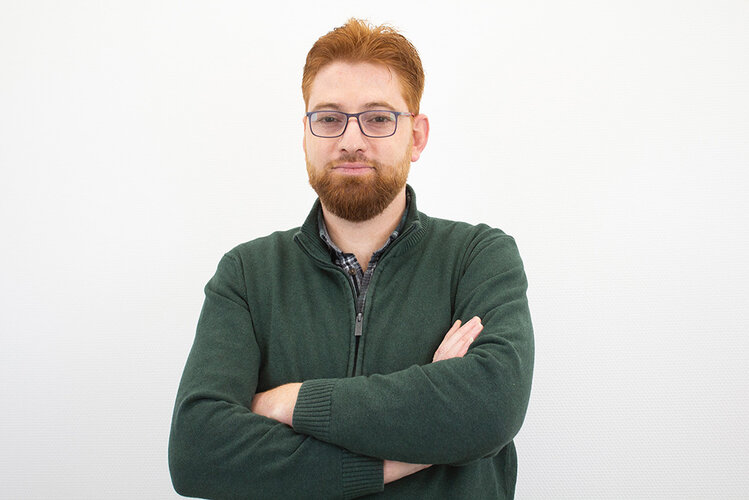
- Advisor: Dmitry Etin, M.Sc.
- Project Manager: Samir Irshaid, M.Sc.
- Health Lead: Yasaman Rasouli, M.Sc,. Pharm-D
- Health Assistant: Grigor Chakmishyan, M.Sc., MD
- Tech Lead: Adam Abuhilal, MSc, MD
- Tech: Niloufar Ramezanzadegan, M.Sc. (former member), Maher Guerfali, M.Sc.
- Tech Assistant: Bhanu Singh, M.Sc.
News
Innovative XR Platform for Multidisciplinary Tumor Boards "VR-MTB"
The European Campus Rottal-Inn (ECRI) of the Deggendorf Institute of Technology (THD) announces the start of the VR-MTB project, a three-year initiative funded by the Bundesministerium für Bildung und Forschung (German Federal Ministry of Education and Research). Under the leadership of Prof. Georgi Chaltikyan, this project introduces a new XR-based platform aimed at transforming Multidisciplinary Tumor Board (MTB) sessions, which are crucial for collaborative decision-making in cancer treatment.
The VR-MTB project aims to solve common challenges faced by traditional MTBs, such as fragmented data sources and limited access to high-quality imaging. By integrating clinical, laboratory, imaging, and patient data into a single virtual environment, the platform allows healthcare professionals to interact with 3D medical images and patient data more effectively. This integration is expected to enhance the quality of tumor board discussions, thereby improving cancer treatment outcomes.
The platform will also incorporate AI-driven tools to facilitate collaboration. These tools will include automated transcription and summarization of discussions, making the documentation process more efficient and error-free. By improving data accessibility and accuracy, the VR-MTB platform aims to enhance both the efficiency and effectiveness of oncology tumor board sessions, benefiting healthcare providers and patients alike.
Once fully developed and tested, the VR-MTB platform is set to serve as a scalable solution for healthcare providers worldwide, particularly benefiting regions with limited resources. This initiative not only shows the commitment of ECRI and its partners to leading healthcare solutions but also sets a standard for the future integration of technology in medical diagnostics and treatment planning.
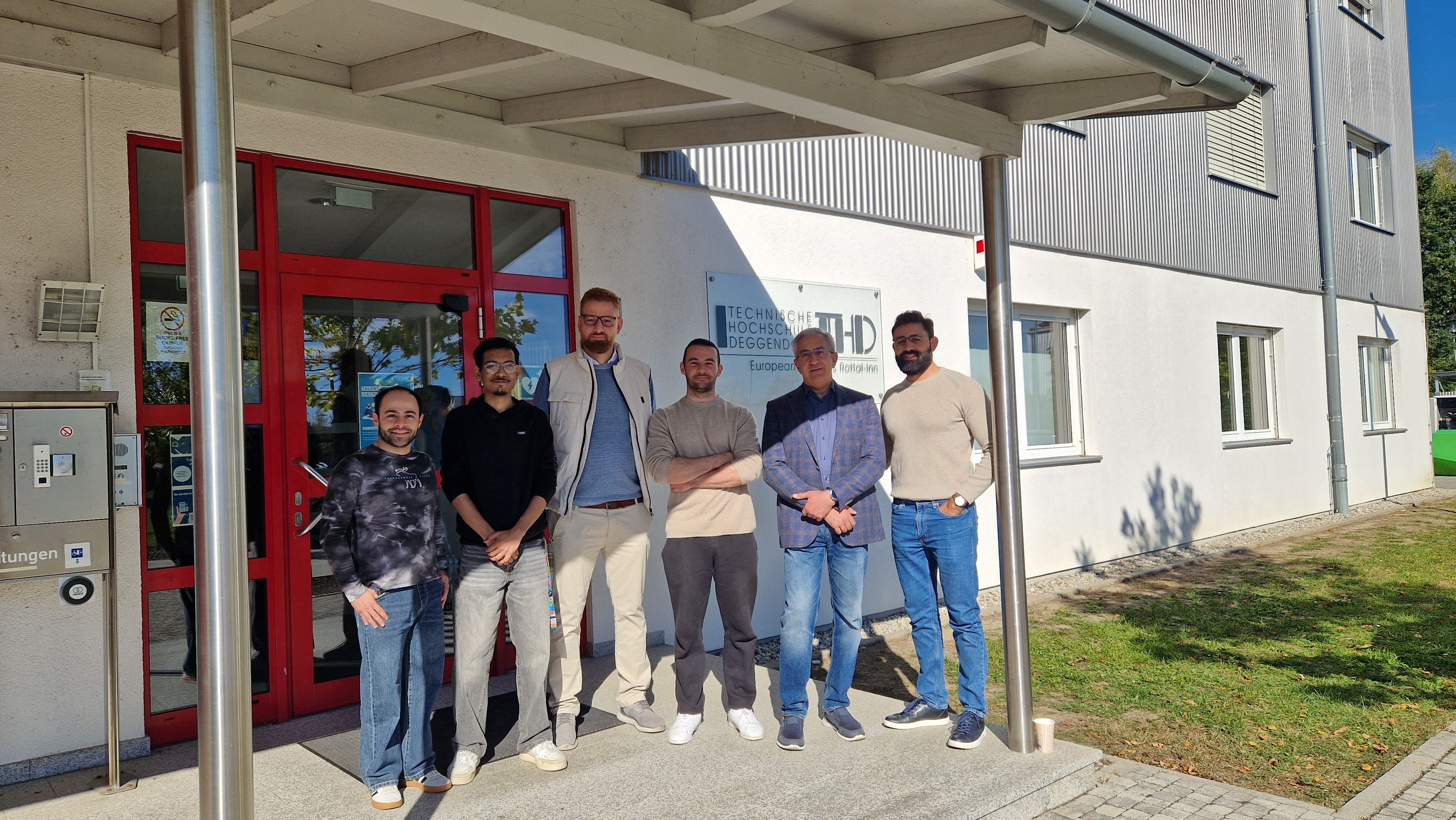
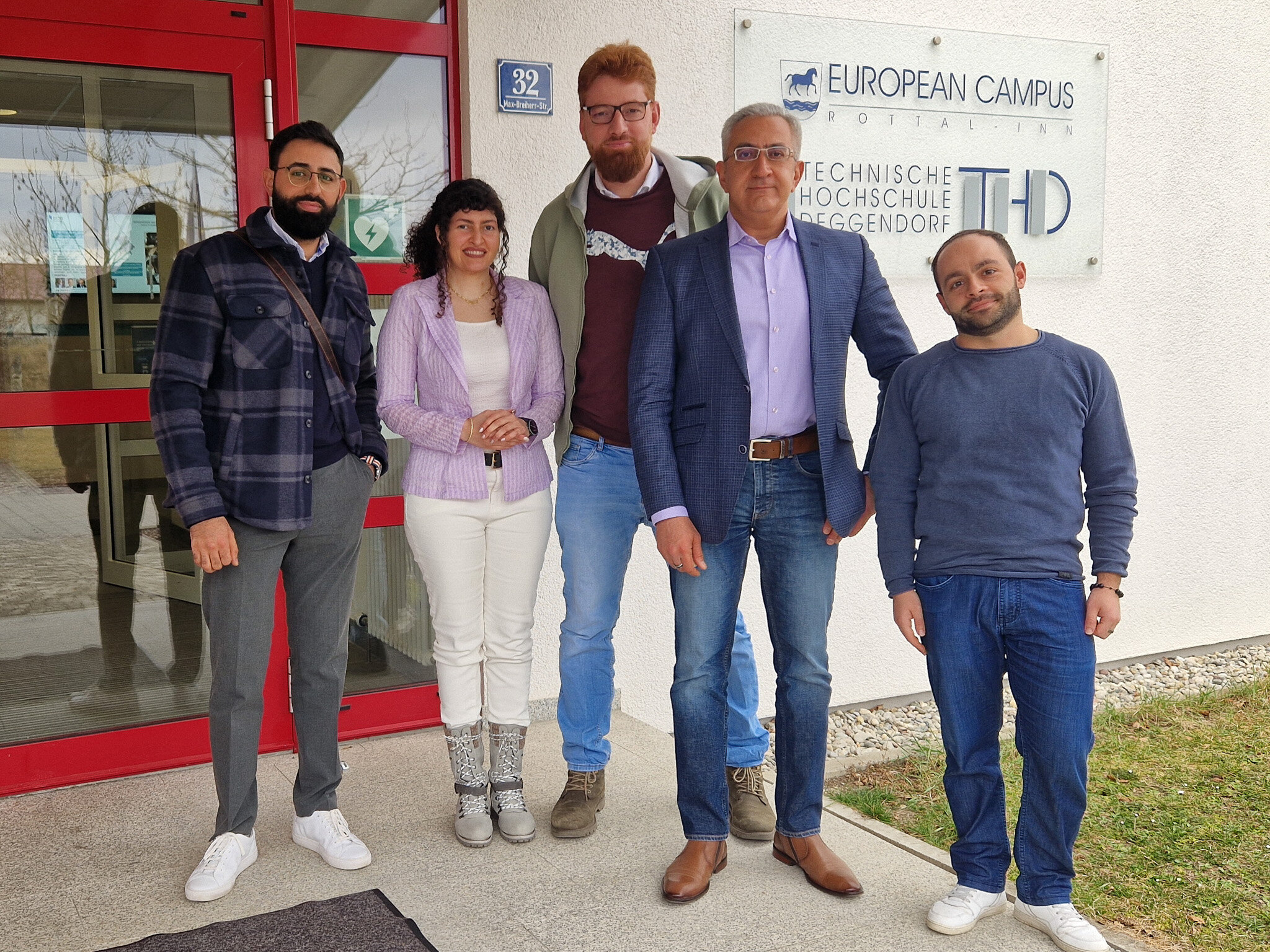
Image: The project's innovative approach was highlighted during the kick-off meeting held at ECRI on 10 March 2025, attended by a team of interdisciplinary experts, including from left: Adam Abuhilal, Yasaman Rasouli, Samir Irshaid, Prof. Georgi Chaltikyan and Grigor Chakmishyan.
VR-MTB Project Team Meets with Rottal-Inn Clinic Leadership to Launch Strategic Collaboration
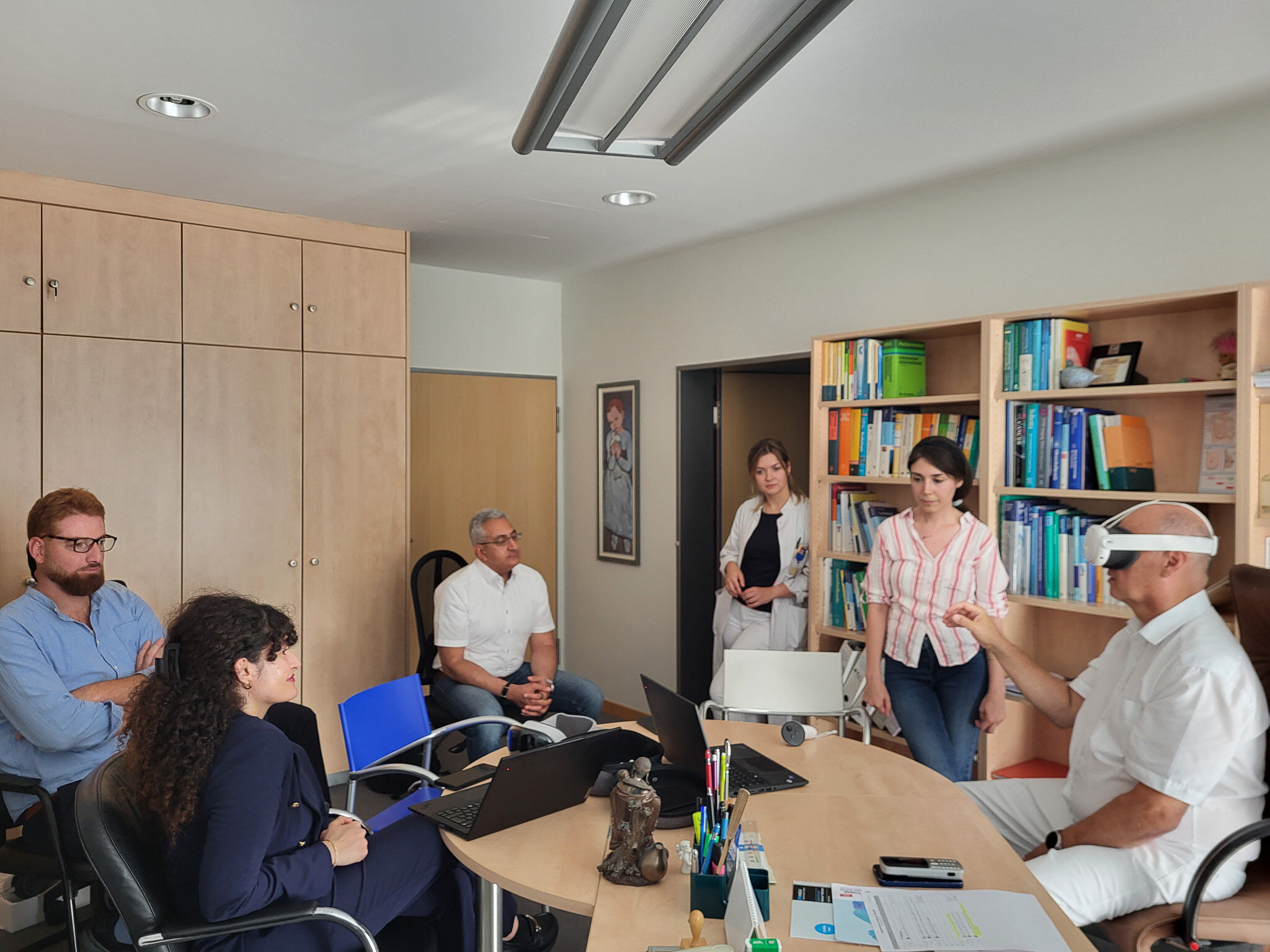
June 2025, at the Rottal-Inn Clinic in Eggenfelden, the VR-MTB project team—led by Prof. Dr. Georgi Chaltikyan and composed of Samir Irshaid, Adam Abuhilal, Niloufar Ramezanzadegan, Bhanu Pratap Singh, Yasaman Rasouli, and Grigor Chakmishyan met with Robert Koch and Florian Pletz, CEOs of the clinic, along with key representatives from the administrative and IT departments, including Nicole Bachmeier, Josef Stempl, and Marcel Nagl. The meeting aimed to further strengthen their strategic collaboration within the VR-MTB: Virtual Reality for Multidisciplinary Tumor Boards project, an initiative funded by the Federal Ministry of Research, Technology and Space (BMFTR).
As an associated partner in the project, Rottal-Inn clinic plays a key role by contributing their real-world clinical expertise, particularly in the field of oncology. Their involvement will ensure that the VR-MTB platform is tailored to the practical needs of multidisciplinary tumor board (MTB) meetings and aligns with the complex workflows of modern cancer care.
The meeting included a productive discussion on how the VR-MTB platform could connect with the clinic’s existing digital systems, with a particular focus on data integration, information sharing, and interoperability standards. Both sides exchanged insights about the current infrastructure, including the use of ORBIS as the hospital’s electronic health record (EHR) system, and the importance of ensuring any new tools align with privacy regulations and established IT processes.
The teams also discussed opportunities for collaboration in aligning the VR-MTB platform with the hospital’s strategic goals, including improved efficiency, user-friendliness for clinical teams, and potential AI-based features to support documentation and decision-making.
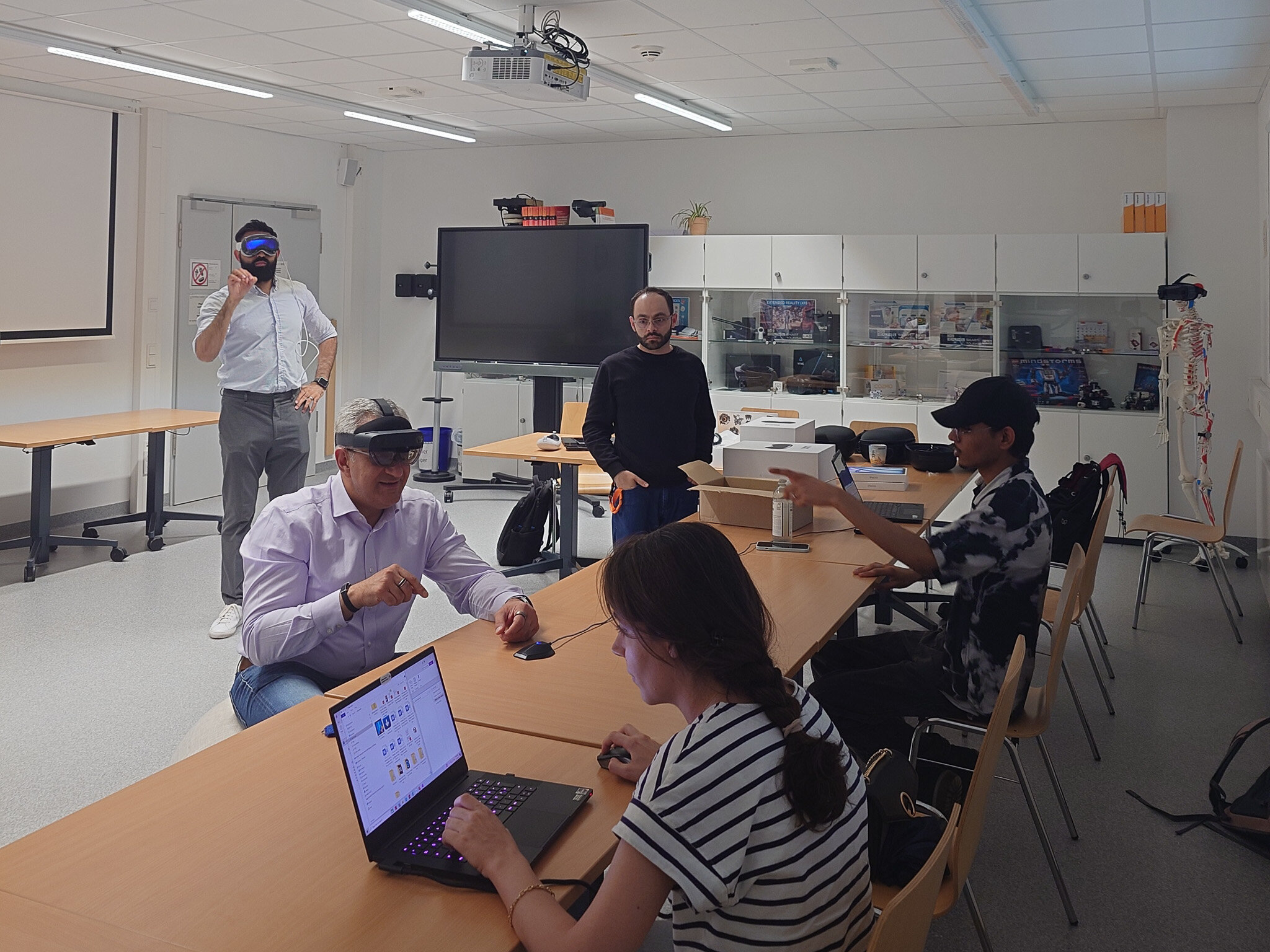
Following the meeting, the VR-MTB team visited the DigiHealth and Smart Tourism Lab at ECRI to test and compare various Extended Reality (XR) devices. The goal was to better understand the capabilities of such tools and how they could be used for immersive tumor board meetings.
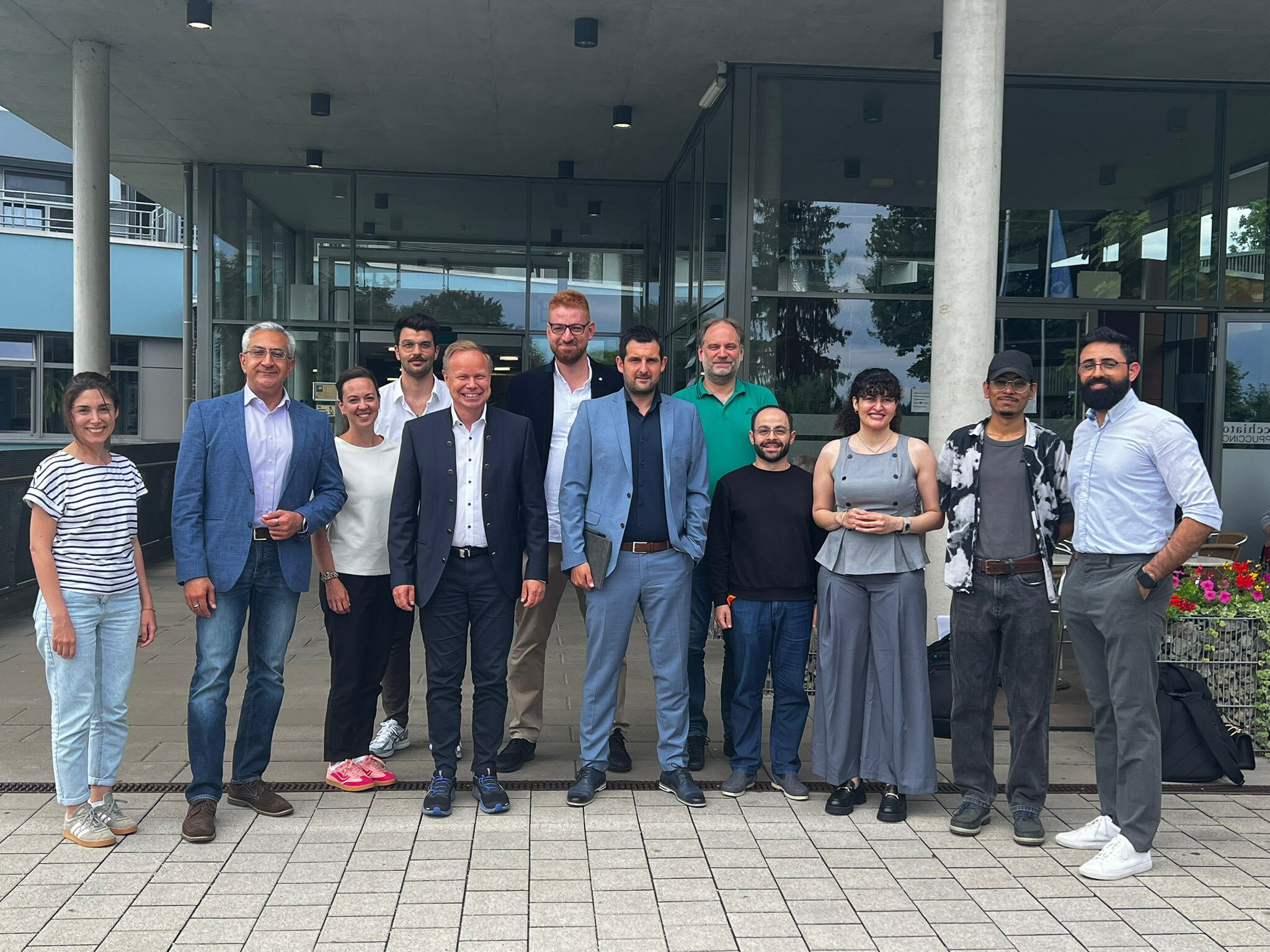
Image: Participants in Rottal-Inn meeting from left to right: Niloufar Ramezanzadegan, Prof. Dr. Georgi Chaltikyan, Nicole Bachmeier, Marcel Nagl, Robert Koch, Samir Irshaid, Florian Pletz, Josef Stempl, Grigor Chakmishyan, Yasaman Rasouli, Bhanu Pratap Singh and Adam Abuhilal.
As part of DigiHealthDayS-2025, the VR-MTB Workshop was held on Thursday, 13 November 2025 at the European Campus Rottal-Inn (ECRI), Pfarrkirchen, in a hybrid format. The session was open to the public and invited clinicians, researchers, digital health professionals, IT experts, students, and policy stakeholders interested in multidisciplinary tumor board (MTB) workflows and the integration of digital technologies.
The workshop presented findings from an extensive literature review on the use of Data Integration, Extended Reality (XR), and Artificial Intelligence (AI) in MTBs. Samir Irshaid opened the session with an introduction to the VR-MTB project and its objectives. This was followed by an overview by Yasaman Rasouli, who outlined MTB workflows and highlighted key challenges in conventional settings.
Adam Abuhilal discussed issues related to data integration and interoperability, including technical limitations and recommendations for improving information flow within MTBs. Niloufar Ramezanzadegan then presented applications of VR and AR for visualizing clinical and imaging data, summarizing reported benefits such as enhanced collaboration, improved spatial understanding, and greater immersion, as well as practical implementation challenges.
The final presentation, delivered by Bhanu Pratap Singh, examined the role of AI in MTBs, focusing on applications in clinical decision support, documentation automation, and knowledge synthesis. He also addressed critical requirements for successful adoption, including trust, transparency, and validation.
The workshop concluded with a short closing session and an open Q&A, offering participants the opportunity to discuss findings, raise questions, and share perspectives on the future integration of XR, AI, and advanced data systems in tumor board meetings.
Image: Participants in VR-MTB workshop from left to right: Niloufar Ramezanzadegan, Yasaman Rasouli, Samir Irshaid, Adam Abuhilal and Bhanu Pratap Singh.


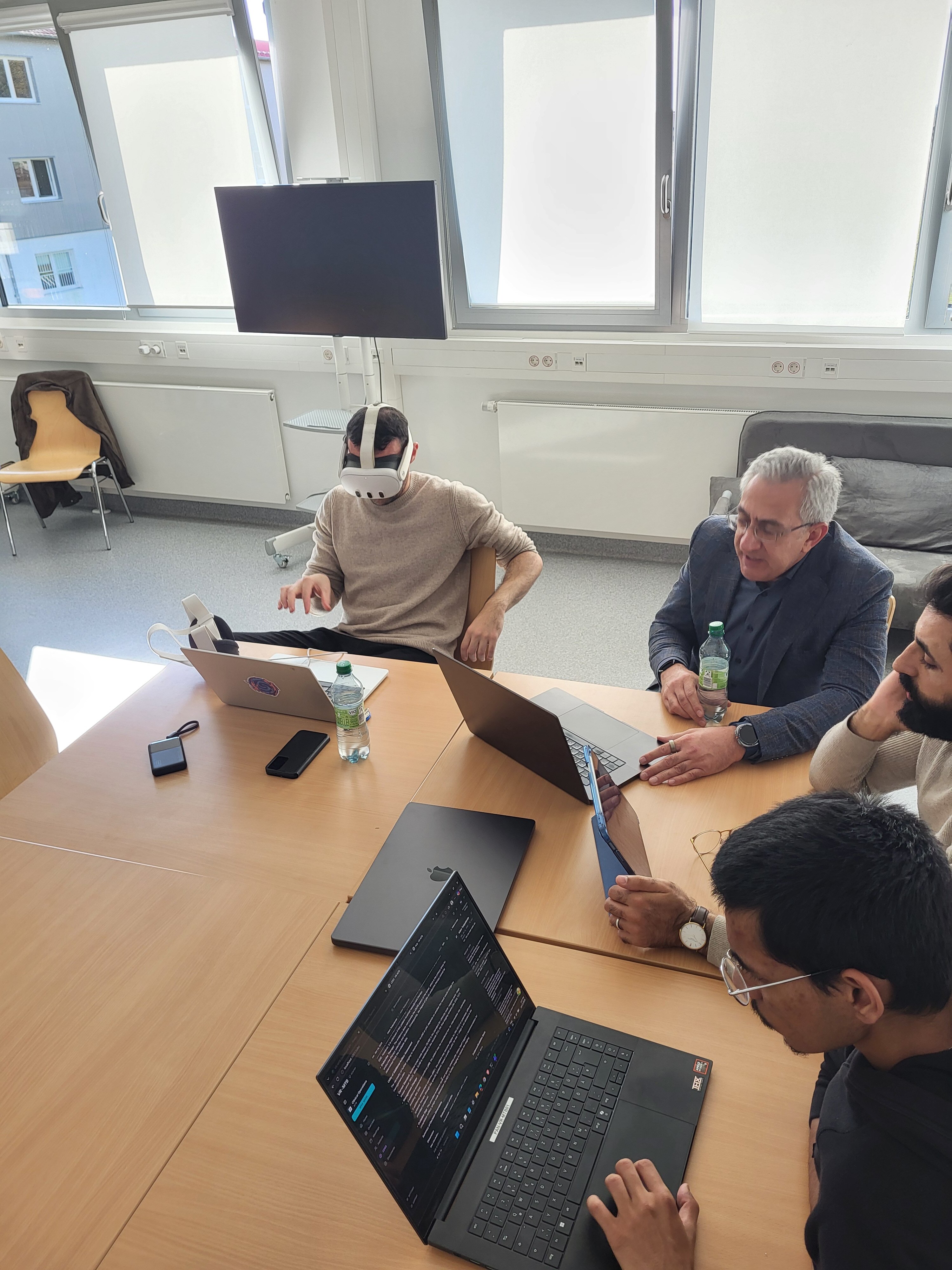
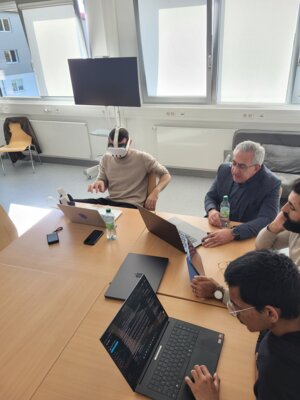
October 2026, the VR-MTB project team gathered at the European Campus Rottal-Inn (ECRI) for an on-site demonstration and collaborative
discussion to review the latest developments of the Virtual Reality Multidisciplinary Tumor Board (VR-MTB) platform. The session brought
together clinical, technical, and research perspectives to explore how the platform can support multidisciplinary oncology workflows through Extended Reality (XR), Artificial Intelligence (AI), and cross-device collaboration. The team explored the platform across different devices, including VR headsets, iPads, mobile devices, and desktop computers, focusing on user interaction, information visualization, and collaborative experiences.
Key areas presented and discussed included:
- Clinical Case Management: Reviewing representative breast cancer cases, including patient history, diagnosis, tumor staging, pathology findings, and treatment information.
- AI-Assisted Clinical Decision Support (CDSS): Exploring patient-specific clinical questions, potential treatment approaches, and evidence-based explanations supported by medical guidelines and references.
- Integrated Tumor Board Workflow: Bringing together patient information, clinical cases, decision-support tools, and meeting-related activities to support multidisciplinary collaboration.
- AI-Assisted Documentation (Scribe): Exploring the conversion of tumor board discussions into structured clinical summaries and proposed decisions for clinician review.
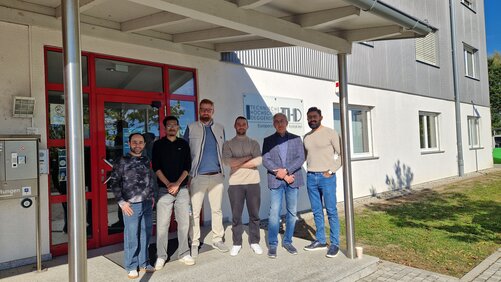
The session provided a valuable opportunity for interdisciplinary exchange, hands-on exploration, and collaborative evaluation of the platform. Discussions focused on user experience, clinical relevance, and opportunities to further enhance interaction and collaboration across devices.
Publications
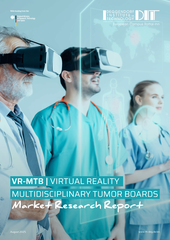 The VR-MTB Market Research Report provides a focused overview of the current competitive landscape and technical readiness for digital multidisciplinary tumor boards. It benchmarks 35 solutions across four clusters – workflow tools, clinical interoperability, immersive XR visualization, and ambient AI – highlighting key capabilities, integration gaps, and strategic implications to guide development of a workflow-embedded, AI-supported platform for oncology collaboration.
gallery