Electromobility, Autonomous Driving and Mobile Robotics, B.Eng.
Faculty of Electrical Engineering & Media Technology
Course content
Mobility in Transition
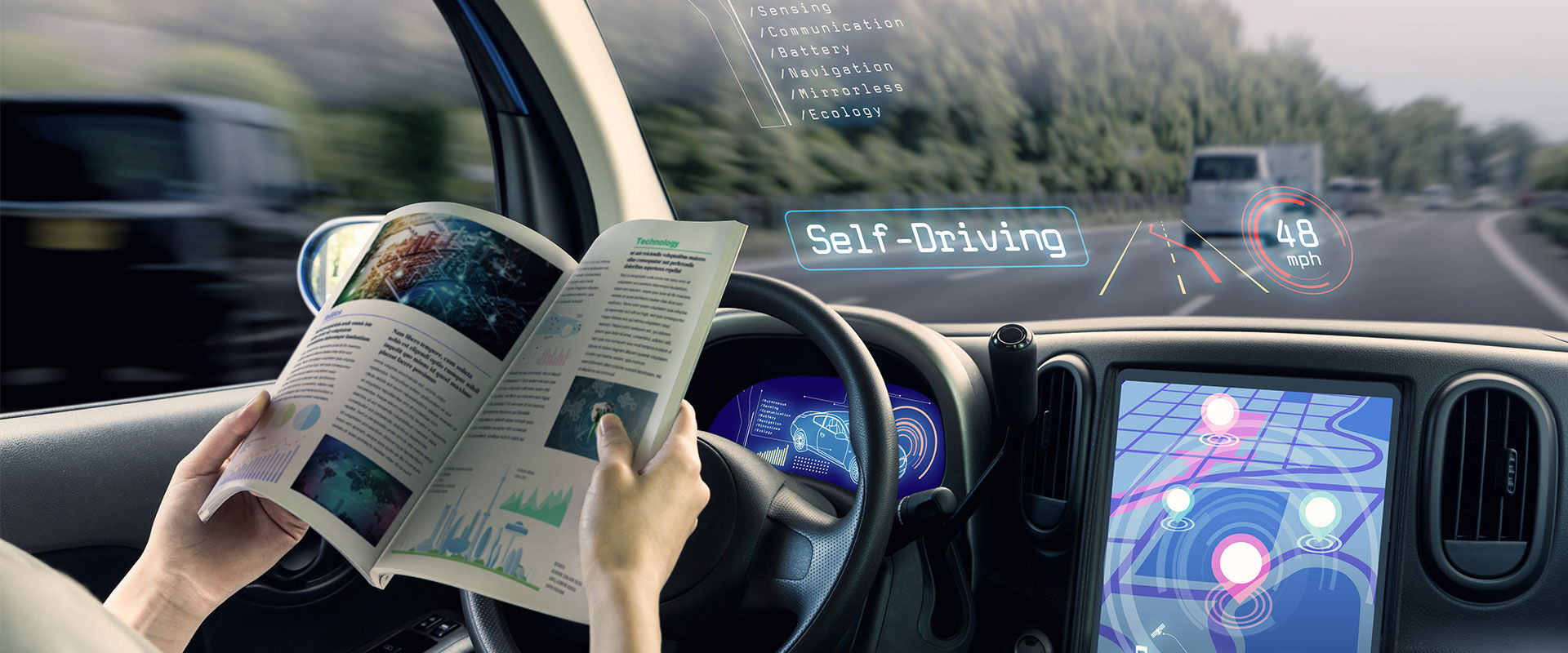
Electric cars or electric drives in general, robotic vehicles, and intelligent driver assistance systems are the means of transport and mobility of the future. Since the 2020/21 winter semester, the Deggendorf Institute of Technology has been offering an innovative bachelor's degree program that specifically trains specialists in this future-oriented field: electromobility, autonomous driving, and mobile robotics.
In the Modern Mobility program, you will learn about these topics from the perspective of electrical and drive technology. The program is aimed at anyone who wants to be involved in the electrical, electronic and control engineering development of modern vehicles and robots.
If you are enthusiastic about electrical engineering and forward-looking mobility concepts, this program offers you two exciting areas of specialization for your professional career: electromobility as well as autonomous driving and mobile robotics.
At the Campus for Modern Mobility in Plattling, you can expect practical research and development projects in which you can actively participate during your studies.
We also offer the bachelor degree course in English:
Are you an international prospective student? We offer a programme perfectly tailored to you as an international student, as in the first three semesters you will receive German language courses to reach level B2 in German as part of the curriculum in addition to technical training. Find information here about the international study programme: B.Eng. Electromobility - INTERNATIONAL
details & Downloads
Subject Overview
Overview of the courses, SWS (semester hours per week) and ECTS (European Credit Transfer and Accumulation System) of the Bachelor's degree course Electromobility, Autonomous Driving and Mobile Robotics.
Career Prospects
Engineers working in the fields of electromobility, autonomous driving and mobile robotics are shaping the mobility of the future. They develop intelligent systems that enable vehicles and robots to move safely, efficiently and in an environmentally friendly manner.
This professional field combines electrical engineering computer science, and automation technology into a state-of-the-art field of work. Specialists in this field deal with a variety of exciting topics:
- Autonomous driving and the development of independently operating systems
- Mobile robots that are used in a variety of ways in industry, logistics and everyday life
- Battery technologies and hydrogen technologies as sustainable energy storage solutions
- Computer technology for intelligent control and networking
- Image processing, optics and sensor technology for the perception and orientation of vehicles and robots
- Power electronics and control engineering for the efficient control of electric drives
- Electrical measurement technology for the precise recording and analysis of system data
Graduates are able to design, develop and optimize complex mechatronic systems. Their skills are in demand in the automotive industry, robotics, energy technology, research and development, as well as in innovative start-ups focusing on autonomous mobility and renewable energies.